
Canada continues to be one of the most popular destinations for African students seeking world-class education, career opportunities, and a safe, welcoming environment. With diverse programs, globally recognized universities, and pathways to work after graduation, studying in Canada isn’t just about earning a degree, it’s stepping into a life-changing experience.
World-Class Education. Global Opportunities. A Brighter Future.
Studying in Canada offers a combination of high-quality academics, cultural diversity, and professional growth. Here’s why so many African students choose Canada.
Canada consistently ranks among the top countries in the world for education and quality of life. International students choose Canada because it offers the perfect balance of academic excellence, affordability, and opportunity.
Key benefits of studying in Canada:
Canada doesn’t just educate students — it prepares them for the global workforce.
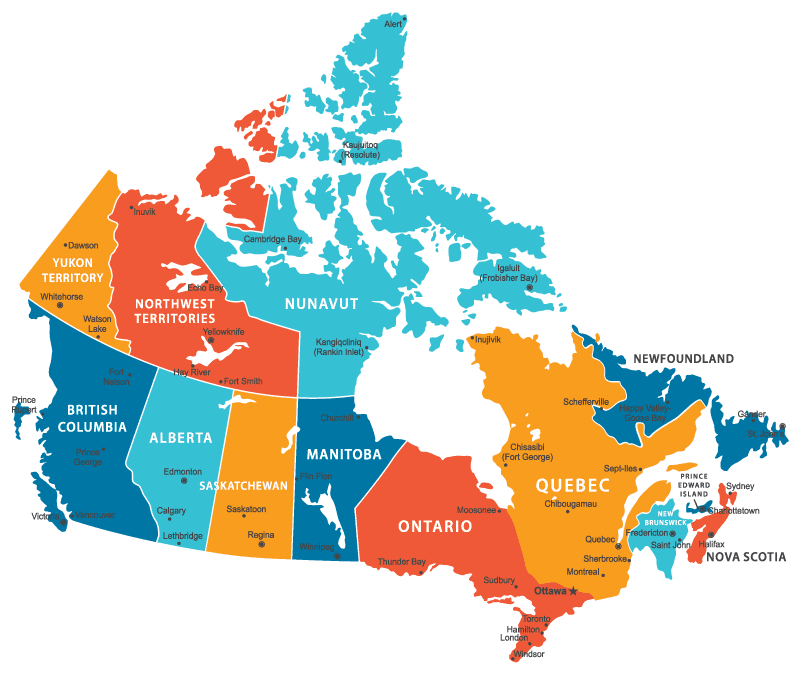

Canada offers a flexible and diverse education system designed to suit different academic backgrounds and career goals.
Universities – Focus on academic and research-based degrees
Colleges – Practical, career-oriented programs with strong industry links
Public & Private Institutions – Public institutions are government-funded and widely recognised
Certificates & Diplomas
Advanced Diplomas
Bachelor’s Degrees
Postgraduate Diplomas
Master’s Degrees
PhD / Doctoral Programs
Fall (September) – Main intake with the widest course options
Winter (January) – Second major intake
Summer (May) – Limited programs available
We help you choose the right institution and intake based on your profile and goals.
Canada offers a wide range of programs aligned with global job market demand.
Popular fields of study include:
Business, Management & Finance
Information Technology & Computer Science
Engineering & Technology
Health Sciences & Nursing
Data Science, AI & Cybersecurity
Hospitality, Tourism & Culinary Arts
Education & Social Sciences
Our counsellors help you select programs that match your academic background, career ambitions, and future plans.
Entry requirements vary by institution and program, but general guidelines include:
Completed secondary education for undergraduate programs
Relevant bachelor’s degree for postgraduate programs
Minimum grades vary by course and institution
Accepted tests may include:
IELTS
TOEFL
PTE Academic
Duolingo English Test (for selected institutions)
Some institutions offer pathway programs or English language alternatives.
Study gaps are assessed individually. Many institutions accept gaps if supported by valid reasons such as work experience, further studies, or professional training.
Colleges: CAD 14,000 – 22,000
Universities: CAD 18,000 – 35,000+
Postgraduate Programs: CAD 18,000 – 40,000+
Average living expenses range between CAD 10,000 – 15,000 per year, depending on the city and lifestyle.
Costs typically include:
Accommodation
Food
Transport
Health insurance
Personal expenses
Canada offers excellent value for a world-class education.
International students in Canada are allowed to work while studying, helping offset living costs and gain valuable experience.
Work up to 20 hours per week during academic sessions
Full-time work during scheduled breaks
Eligible graduates may apply for a Post-Graduation Work Permit (PGWP), allowing them to gain Canadian work experience after completing their studies.
Work experience gained in Canada can be valuable for career growth and future opportunities.
To study in Canada, international students must apply for a study permit.
Letter of Acceptance from a Canadian institution
Proof of financial support
Valid passport
Medical examination (if required)
Biometrics
Processing times vary depending on location and application completeness.
Our team provides step-by-step guidance to ensure your application is accurate and well-prepared.
On-campus residences
Off-campus shared apartments
Homestays with Canadian families
Canada offers a vibrant student lifestyle with:
Support services for international students
Safe and inclusive communities
Modern campuses and facilities
Cultural diversity and global exposure
From bustling cities to peaceful towns, Canada offers something for every student.
Choosing the right support can make all the difference.
When you apply through us, you receive:
Expert course and institution guidance
Application support from start to finish
Visa guidance and document preparation
Scholarship advice
Pre-departure support and arrival guidance
Transparent process with no hidden costs
We support you from your first enquiry to the moment you arrive in Canada — and beyond.
You must show proof of funds to cover:
Tuition fees (first year paid separately)
Living expenses for yourself and accompanying family
Travel costs
As of 2026, the minimum proof of funds is C$22,895 for students outside Quebec and C$24,617 for Quebec.
Yes, students can work up to 20 hours per week during the semester and full-time during breaks. Programs with mandatory co-op or internship components require a Co-op Work Permit.
Fall Intake (September): Most programs, scholarships, and opportunities
Winter Intake (January): Limited programs, suitable for students needing extra prep time
Spring/Summer Intake (May): Select programs, flexible start dates, ideal for short-term courses
Yes, some institutions accept alternative English tests or offer pathway programs.
Yes, many institutions accept gaps with proper documentation.
Processing times vary by country, season, and application volume. Typical processing can range from 4 weeks to 8 weeks, so it’s recommended to apply 3–6 months before your program start date.
Many students require a PAL/TAL from the province or territory where they plan to study, usually issued after paying tuition. Note: As of January 1, 2026, students pursuing master’s or doctoral programs at public DLIs no longer need PAL/TAL.
A Study Permit allows you to stay and study at a Designated Learning Institution (DLI) in Canada. A Student Visa (Temporary Resident Visa) is required for citizens of certain countries to enter Canada. Once your Study Permit is approved, a visa is automatically issued if your nationality requires one.
es! Scholarships include:
University-specific merit or need-based awards
Government-funded scholarships
Graduate assistantships (research or teaching roles with stipend)
We strive to provide exceptional customer service and support. Whether you have questions.

Discover Your Future!