Ireland is one of Europe’s most attractive destinations for international students, offering a high-quality education system, an English-speaking environment, and strong connections to some of the world’s leading industries.
As the only English-speaking country in the Eurozone, Ireland provides international students with globally recognised qualifications while offering access to the wider European market. The country is also home to major multinational companies in technology, finance, pharmaceuticals, and engineering, making it an excellent choice for students aiming to build international careers.
Beyond academics, Ireland is known for its safe, welcoming communities, vibrant student life, and rich cultural heritage, making it easy for international students to settle in and feel at home.
| University | City | Popular Courses |
|---|---|---|
| Technical University of Munich (TUM) | Munich | Engineering, Computer Science, Business |
| Ludwig Maximilian University (LMU) | Munich | Humanities, Law, Social Sciences |
| Heidelberg University | Heidelberg | Medicine, Life Sciences |
| RWTH Aachen University | Aachen | Engineering, Architecture |
| University of Freiburg | Freiburg | Natural Sciences, Environmental Studies |
| University of Mannheim | Mannheim | Business, Economics |
Germany offers programs across disciplines. High-demand fields include:
Engineering & Technology – Mechanical, Civil, Electrical, Automotive, AI & Robotics
Computer Science & IT – Software Development, Data Science, Cybersecurity
Business & Management – International Business, Economics, Finance
Natural & Life Sciences – Biology, Chemistry, Environmental Science
Healthcare & Medicine – Medicine, Nursing, Public Health
Social Sciences & Humanities – Political Science, Sociology, Law
Admission requirements vary by program and university. Typically:
Completed high school or equivalent (12 years of education)
Academic transcripts
Proof of German or English proficiency (TestDaF, DSH, IELTS, or TOEFL depending on the course language)
Motivation Letter / Statement of Purpose
Letters of Recommendation (if required)
Bachelor’s degree in a relevant field
Minimum GPA as required by the university
English or German proficiency tests
Statement of Purpose and CV
Recommendation letters
Relevant work experience (for some programs)
Many programs in Germany are offered in English, especially at the master’s level, while bachelor’s programs often require German proficiency. Knowing the language increases your chances of internships, part-time work, and integrating into the community.
German universities generally have two main intakes per year:
Tip: Apply 6–12 months in advance, as visa processing and document preparation can take time.
Germany is one of the most affordable destinations for African students:
Tuition Fees: €250–€500 per semester at public universities; private universities charge €5,000–€20,000 per year
Living Expenses: €850–€1,200 per month (rent, food, transport, health insurance, leisure)
Health Insurance: Mandatory, approx. €100/month
Visa & Documentation: Around €75 for a student visa
Scholarships:
DAAD Scholarships for international students
Erasmus+
University-specific scholarships based on merit or financial need
International students can work up to 20 hours per week during the semester
Full-time work allowed during semester breaks
Internships and practical semesters are often mandatory in technical programs
Graduates can apply for 18-month post-study work visa to find employment in Germany
AtEduExploreAfrica, we guide students at every stage of their German study journey:
University Selection & Applications: Shortlist universities and programs based on goals and budget
Scholarship Guidance: Help you access DAAD, Erasmus, and other funding opportunities
Visa Assistance: Full support for German student visa applications
Language Support: IELTS, TOEFL, and German language prep guidance
Pre-departure Support: Accommodation, travel, and cultural orientation advice
Post-arrival Assistance: Settling in, banking, and local registrations
Yes, many master’s programs and select bachelor’s programs are taught in English. Bachelor’s programs often require German proficiency.
You must demonstrate access to at least €11,208 per year via a blocked account or scholarship confirmation.
Yes. DAAD, Erasmus+, and several university-specific scholarships are available for international students.
Yes. Students can work 20 hours/week during term time and full-time during vacations.
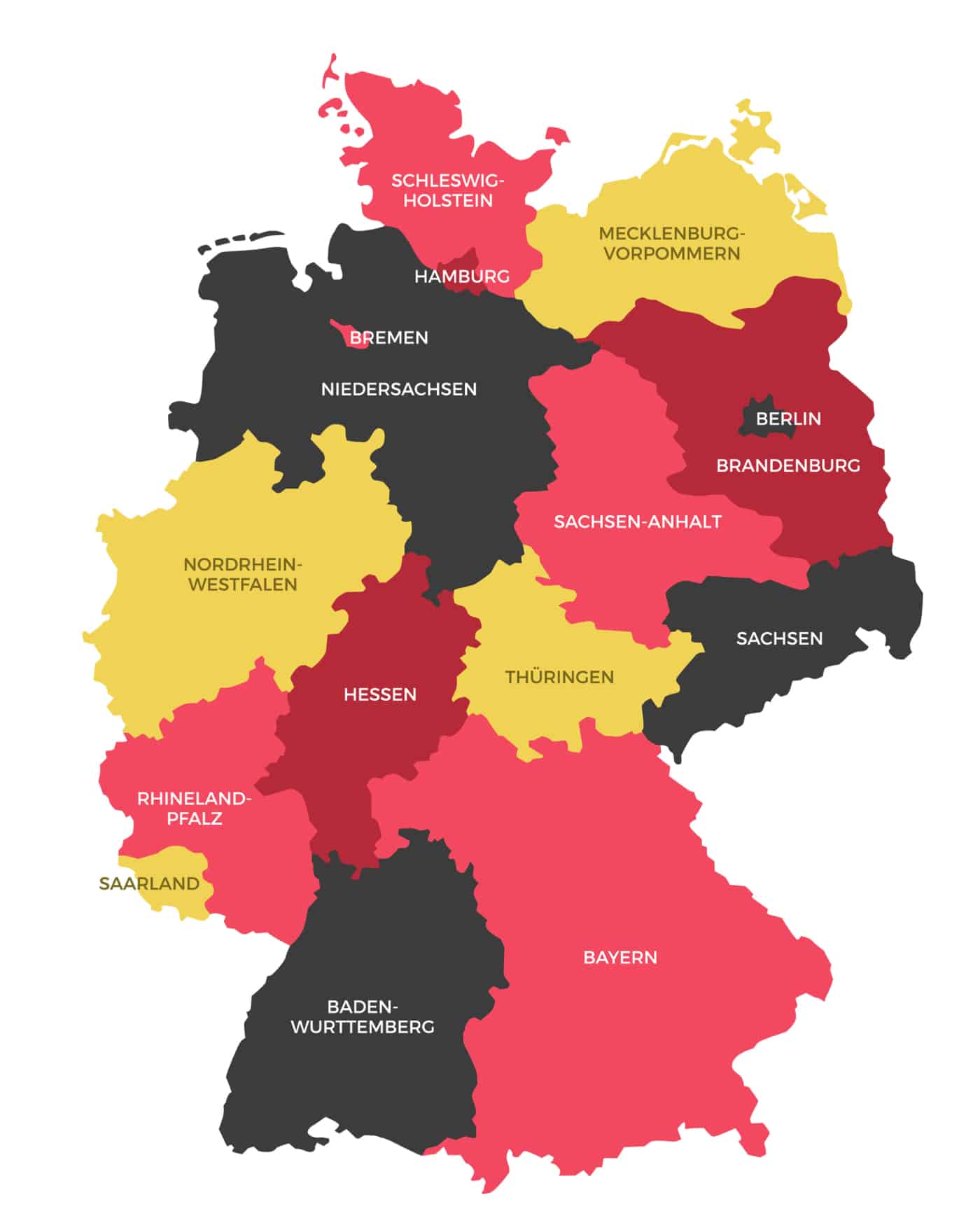
Popular cities include Berlin, Munich, Frankfurt, Heidelberg, and Hamburg, offering a mix of affordable living, cultural experiences, and strong university programs.
We strive to provide exceptional customer service and support. Whether you have questions.

Discover Your Future!